


Sight + Sound: pushing digital art further
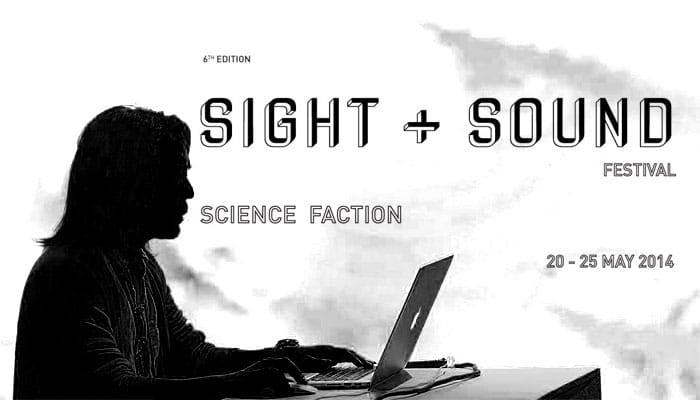
Digital events follow one another, but they do not look alike. Sight + Sound understands this with its new edition, running until May 25. Science Faction explores the world of science fiction and itsimpact on technology and our lives. Is the mutation of our society merging humans and machines?
Organized by Eastern Bloc, an artist-run centre, this digital-art festival is innovative. In addition to performances, workshops and interventions by international artists, the program includes highly engaging talks.After six yearsof
existence, Sight
+ Sound makes no secret of its aim: to shake up
ideas and bring a critical and political viewpoint to digital art. For committed art and ideas that make you think, the conferences at UQAM’s École des médias are the place
to be.
On May 21, Bethe Coleman discusses the
omnipresence of computing, wearable technology and smart objects in daily life. What if this were science fiction created regularly by individuals?The artist addresses the impacts of military-industrial speculative futurismand thecomplexity of experience as subject, agent and citizen.
On May 22, a debate titled Whose fictions

are these?
examines reversals of male dystopian
narratives and the dichotomies at the heart of dystopian literature: good and evil, protagonist and antagonist, masculine and feminine. Adrienne Maree Brown, Paula Pin, MariaMitsopoulou and Skawennati analyze how fictioncan apply feminist, queer and intersectionalapproaches to question, deconstruct and reimagine thisliterary landscape.
On May
23, Biological
systems as generative models
for the future considers how all living organisms, including our bodies, will be affected. Technological structures and digital networks increasingly resemble biological systems. Erin Gee, Eric Lewis, Leslie Garcia and Sofian Audry take part in the discussion.
On May
24, Stephen Rennicks revisits the history of
science fiction and the origins of techno, guiding the audience through Juan Atkins, Sun Ra, Parliament, funk, Kraftwerk, Metropolis, Detroit, robotics, Robocop, the slave trade, the American automotive industry in the1980s, Underground Resistance, Drexciya, Afrofuturism and Detroitsoul. Later that day, Alejo Duque,Valérie Lamontagne and Dominic Gagnon address
the hidden
ethics of
the military-industrial-academic complex and the links between military, industry and academia in technological advances. On May 25, Dany Beaupré traces the origins of interactive media from sensory and cognitive perspectives, observing how media evolves from
content toward experience and

Postes similaires
Culture et créativité
lire l'article
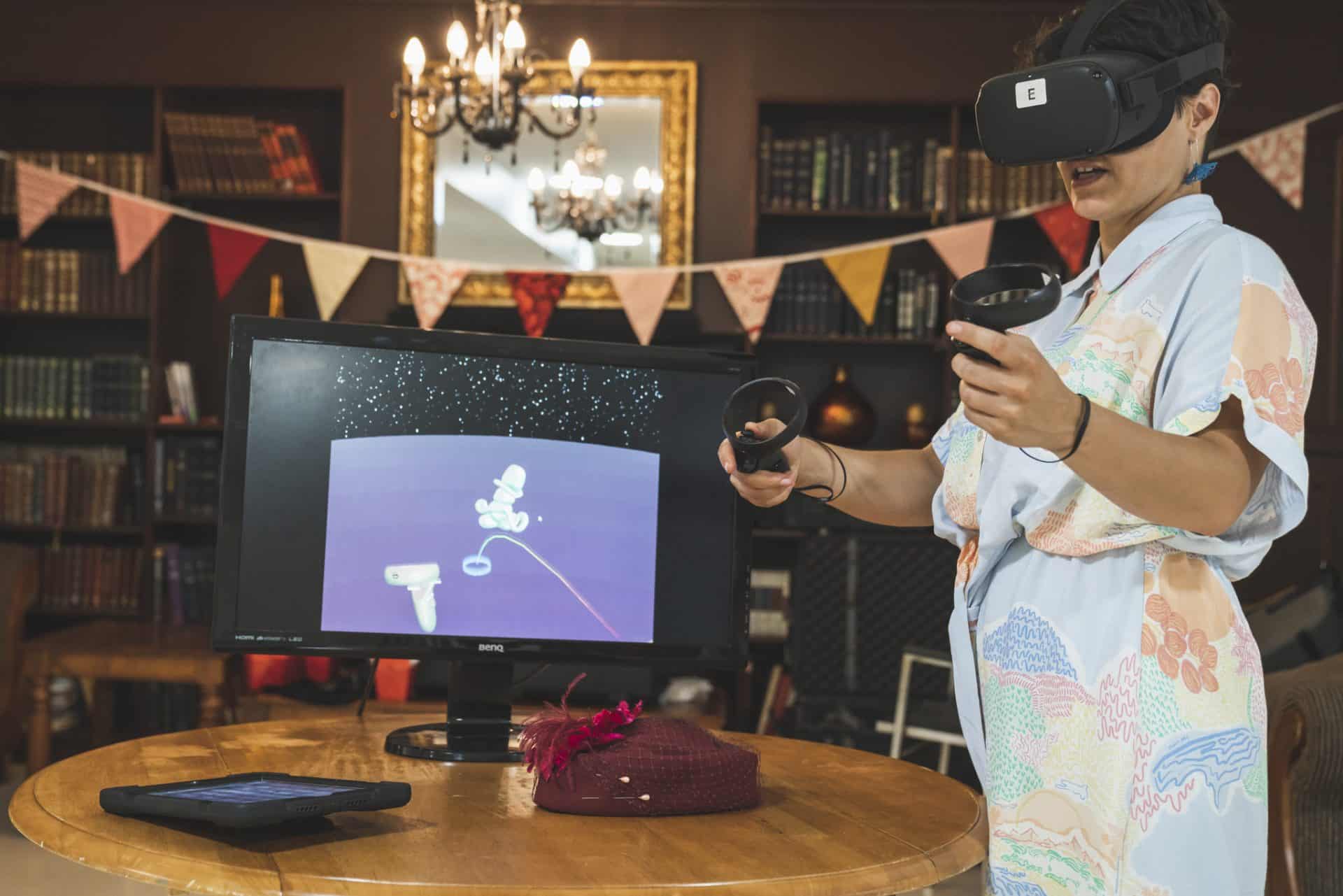
Le Musée ambulant vous invite à essayer la création en RV avec son Super véhicule d’immersion artistique!
© Crédit photo de couverture : Myriam Quenneville pour Audet Photos Fraîchement récipiendaire de la mention INSPIRATION pour son Super véhicule d’immersion artistique dans le cadre des récents Prix de...

Culture et créativité
lire l'article
Comment la technologie blockchain pourrait-elle révolutionner notre façon de penser ?
#Intersections VOL.9 : Blockchain, des promesses aux applications Pour la 9e rencontre de la série #Intersections, qui se déroulera le 27 novembre 2018 au Centre Canadien d’Architecture, le Printemps numérique...